Self-esteem plays a powerful role in shaping how young people see themselves and interact with the world around them. During adolescence, it is natural for teens to question their identity, compare themselves to peers, and feel pressure to succeed academically or socially. In today’s digital age, these challenges are amplified by social media, constant comparisons, and increasing expectations at school and home.
While moments of self-doubt are normal, ongoing struggles with low self-esteem can affect a young person’s confidence, relationships, and mental health. The good news is that self-esteem can be strengthened, and youth counselling provides an effective way for teens to learn tools that build lasting confidence.
Signs of Low Self-Esteem in Youth
Low self-esteem does not always look the same for every teenager. Some may appear quiet and withdrawn, while others might act out to mask their insecurities. Common signs include:
- Frequent negative self-talk such as “I’m not good enough”
- Avoiding new activities or challenges out of fear of failure
- Difficulty making or maintaining friendships
- Comparing themselves to peers, often in unhealthy ways
- Overdependence on others for approval or validation
- Perfectionism or extreme self-criticism
- Sudden changes in mood or withdrawal from family and friends
Recognizing these signs early allows parents and caregivers to step in with support before these patterns become deeply ingrained.

Causes of Low Self-Esteem in Youth
Self-esteem develops through a combination of experiences, relationships, and internal thought patterns. For many young people, low self-esteem may stem from one or more of the following influences:
- Family dynamics and early experiences: Critical parenting styles, lack of emotional support, or childhood trauma can leave lasting impressions.
- Bullying and peer rejection: Negative social experiences at school or online can erode confidence quickly.
- Academic pressure: Constant comparison to classmates or fear of not meeting expectations can make youth feel inadequate.
- Social media and cultural influence: Exposure to curated images and unrealistic standards often leads to harmful self-comparisons.
- Developmental changes: As teens work through identity and independence, struggles with self-image and belonging are common.
Understanding these root causes helps create more compassionate, targeted strategies for improving self-worth.
The Impact of Low Self-Esteem if Left Unaddressed
- Struggle with academic performance due to lack of confidence
- Withdraw from social opportunities, leading to isolation
- Experience challenges in forming healthy friendships and relationships
- Develop symptoms of anxiety or depression
- Avoid opportunities that could help them grow, such as leadership roles, extracurricular activities, or new experiences
How Youth Counselling Helps Build Self-Esteem and Confidence
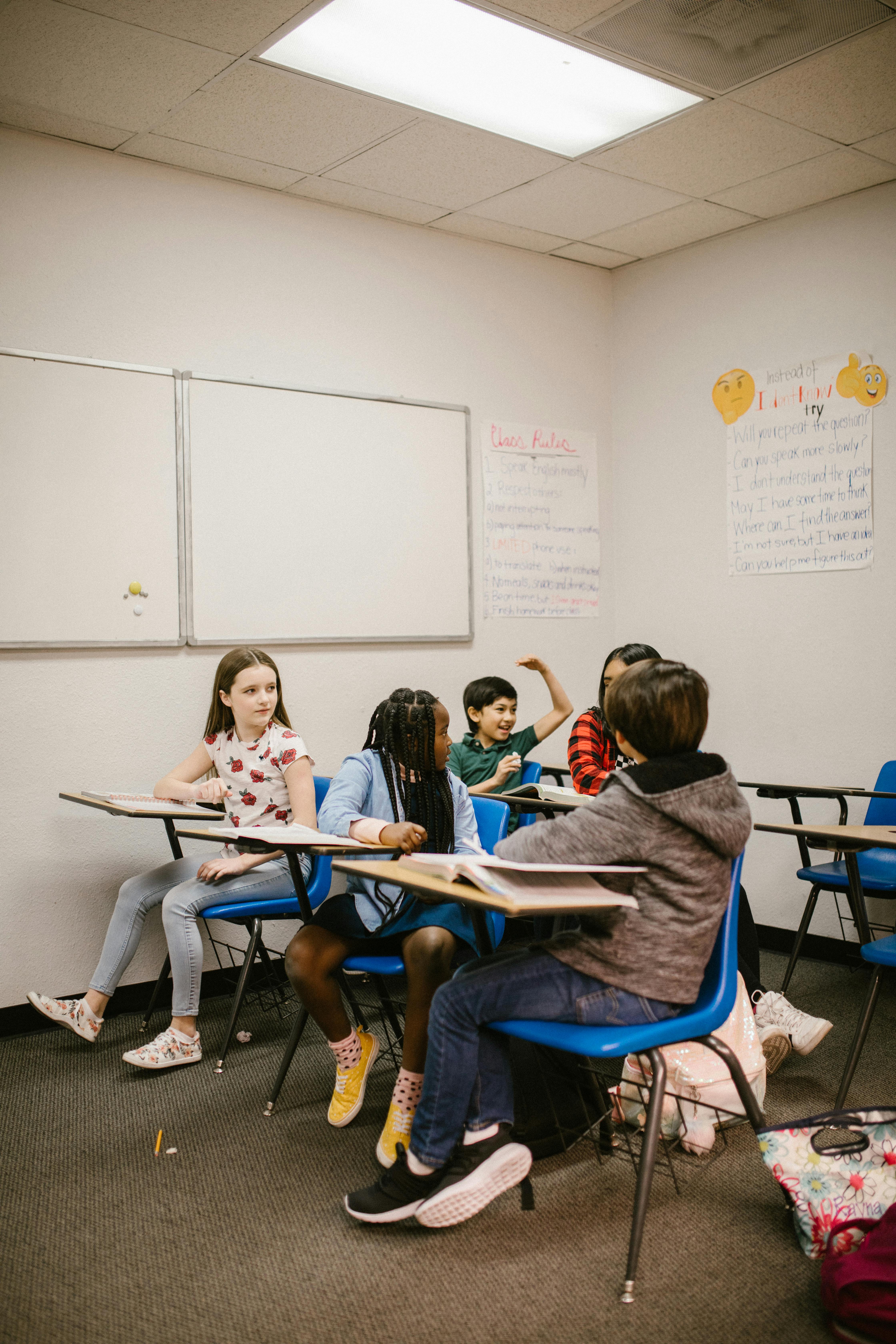
Youth counselling provides a safe space where teenagers can explore their feelings, develop coping strategies, and build self-awareness. With the guidance of a trained counsellor, young people learn how to challenge negative thought patterns and replace them with healthier beliefs.
Some of the evidence-based approaches often used include:
- Cognitive Behavioural Therapy (CBT): Helps teens recognize negative self-talk and reframe it into more balanced and realistic perspectives.
- Self-compassion techniques: Encourages kindness toward oneself, reducing harsh self-criticism.
- Social skills training: Supports communication, boundary setting, and building stronger peer connections.
- Goal setting and achievement tracking: Helps youth celebrate small successes and recognize progress over time.
Through this process, teens not only learn to see their strengths but also gain resilience to handle setbacks.
Benefits of youth counselling for self-esteem include:
- Greater self-confidence and improved sense of identity
- Stronger coping skills to handle stress and pressure
- Healthier peer and family relationships
- Increased motivation and willingness to try new experiences
Practical Tips for Parents to Support Confidence at Home
Parents and caregivers play a vital role in helping teens strengthen self-esteem outside of counselling sessions. Here are a few strategies you can apply at home:
- Encourage effort, not just results: Praise persistence, problem-solving, and improvement, rather than only focusing on achievements.
- Model positive self-talk: Teens often mirror what they hear and see. Speaking kindly about yourself teaches them to do the same.
- Provide responsibilities: Allow your child to take on age-appropriate tasks, which builds confidence and a sense of accomplishment.
- Celebrate small wins: Acknowledge progress, even if it seems minor. This reinforces the idea that growth is valuable.
- Create a supportive environment: Make home a safe space where your teen feels heard, respected, and encouraged to express themselves.
When combined with counselling, these steps can significantly accelerate growth in confidence and self-esteem.
Let’s Heal Together
Every young person deserves to feel confident, capable, and valued. While challenges with self-esteem are common during adolescence, they do not have to define your child’s future. With the right support, teens can learn the tools they need to build lasting self-confidence and face life with resilience.